
Questions from international patients
Costs, visas, travel, hospitals and recovery. Can't find your answer? Ask us on WhatsApp.
Is there any cost for your service?
No. Our service costs you nothing. Our partner hospitals pay us for coordinating your care. You pay the hospital directly for your treatment.
How do I get a cost estimate for my treatment?
We get the estimate from the hospital for you after a doctor has seen your reports. It usually covers the surgery, the hospital bed and routine tests. Please read what is included, and what is not, before you travel.
How does medical treatment in India work for international patients?
You send us your medical reports. A specialist at an accredited hospital in Delhi NCR reviews them and suggests a treatment plan with a written estimate. Once you agree, the hospital gives you a letter for your medical visa. You come with one or two family members, someone meets you at Delhi airport, and you have your tests and treatment. You then recover nearby and get a fit-to-fly check before going home. Follow-up carries on by video call or WhatsApp.
Why do patients travel to India for treatment?
Mostly cost and waiting time. For self-paying patients, planned surgery at an accredited private hospital in India often costs 60–80% less than private care in the UK, the US or the Gulf, and there is usually no long wait. Delhi NCR has large JCI and NABH accredited hospitals, and their senior specialists treat many international patients every year.
Which treatments do international patients most often come to India for?
The common ones are knee and hip replacement, heart bypass surgery, cancer surgery, spine surgery, kidney and liver transplants from a living family donor, weight-loss surgery, IVF, cataract surgery and cochlear implants. Each treatment page shows the usual cost, how long you need in India and how many days you spend in hospital.
Is it safe to have surgery in India?
Accredited hospitals in Delhi NCR work to the same international standards (JCI and NABH) as accredited hospitals elsewhere, and their specialists are very experienced. Most of the real risk comes from the travel: flying too soon after surgery, blood clots on long flights, and follow-up once you are home. So pick an accredited hospital, share your full reports before you travel, stay long enough to recover, and plan follow-up with your own doctor. Our guide on safety goes through each step.
How do I choose a medical travel facilitator in India?
A good facilitator works only with accredited hospitals and tells you which hospital and doctor will treat you. It gets you a doctor's written opinion and a cost estimate before you travel. It is open about how it is paid (most are paid a fee by the hospital, which should not be added to your bill), it never asks you to pay it for the treatment itself, and it gives you a real person to talk to. That is how Optimist Healthcare works: our service costs patients nothing, you pay the hospital directly, and you can choose any of our partner hospitals.
How much does treatment in India cost?
That depends on the treatment, your condition and the hospital. Each treatment page shows the usual price range at accredited hospitals in Delhi NCR, and our cost page compares prices with the UK, the US and the Gulf. The exact amount comes from the hospital as a written estimate, after a doctor has reviewed your reports.
Do I need a visa for medical treatment in India?
Yes. Most nationalities apply online for an e-Medical visa using the hospital's letter. Some, for example Nigeria and Ethiopia, apply for a Medical visa at the Indian embassy instead. One or two family members can come with you on attendant visas. We send you the hospital letter you need.
How long will I need to stay in India?
Usually one to four weeks, depending on the treatment. Plan on about 10 to 14 days for a knee or hip replacement, two to three weeks for heart bypass surgery, and longer for a transplant. Each treatment page shows the usual time in India and the days in hospital.
How do I start my treatment inquiry?
Fill in our inquiry form or send us a WhatsApp message. Tell us briefly about the medical problem and attach any medical summaries or scan reports you have. A patient coordinator will then get in touch, go through your details and take your case to the hospitals.
Can I send my medical reports online?
Yes. Upload PDF files, JPG/PNG scans or DICOM scan folders through our secure upload form. We keep your information private and share it only with qualified doctors who need it to review your case.
How is the hospital selected?
Optimist Healthcare is a patient facilitation company. We work with established JCI and NABH-accredited hospitals in Delhi/NCR (such as Max, Fortis, Apollo, Medanta and Artemis). We suggest hospitals based on your medical condition, which specialists are available, the kind of room you want and your budget.
Can I speak with a doctor before travelling to India?
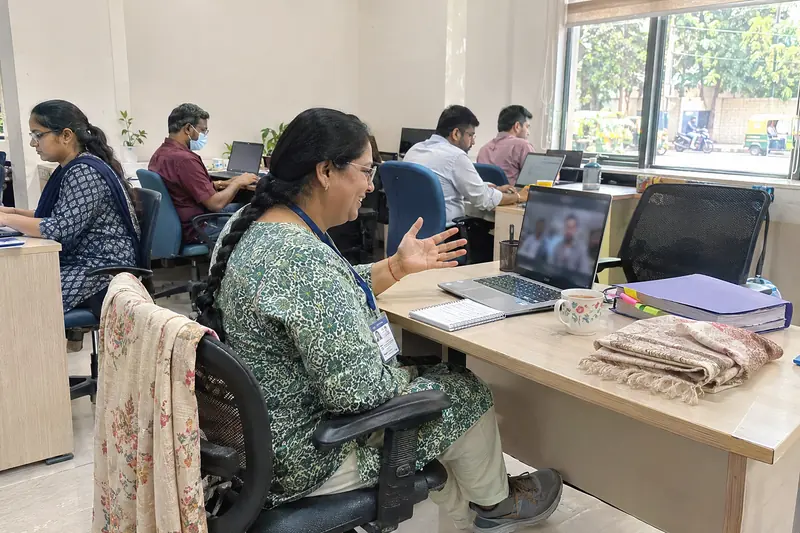
Yes. Once the hospital's department head or senior surgeon has reviewed your reports and confirmed the treatment can be done, our coordinator can set up a video call. You talk to the doctor directly and get your questions answered before you book any tickets.
Do you help with medical visa documentation?
Yes. Embassy paperwork can be confusing, so we arrange it with the hospital. You get official invitation letters for the Medical Visa (MED Visa) and the Medical Attendant visa (MED-X), on hospital letterhead and stamped by the hospital, to use at the Indian Embassy or on the online e-visa portal.
Can you assist with airport pickup and local transport?
Yes. We arrange pickup from Indira Gandhi International Airport (DEL) in New Delhi. A checked driver, or an ambulance if the patient needs a stretcher, meets your family at the arrivals terminal and takes you safely to your hospital or your place to stay.
Can you help with accommodation for my family?
Yes. With most treatments you spend some days outside the hospital, coming back for check-ups. We point you to checked guest houses, serviced apartments with a kitchen, or hotels within 10–15 minutes of the hospital, to suit your budget and the food you eat.
Can a family member travel with me?
Yes. Under India's Medical Visa rules, up to two family members or attendants can come with each patient on Medical Attendant (MED-X) visas. Having someone you trust beside you makes the hospital days and the recovery much easier.
How long should I stay in India after my surgery?
That depends on your operation. A hospital stay usually lasts 3 to 7 days, and most patients then stay in Delhi for another 7 to 14 days for wound checks, stitch removal, physiotherapy and, where needed, a check that you are fit to fly.
What happens after I return home?
We stay in touch. We set up video check-ups with your surgeon in Delhi, send on your progress reports, and work with your local doctor on any changes to your medicines or exercises.
Ask us on WhatsApp
Our patient coordination team will answer in plain words.