
Guide
An angiogram has shown blocked arteries, and the doctor has said the word "bypass". Three questions usually arrive together after that. Is it safe? How long will I be away? And what does heart bypass surgery cost in India?
We take the money side here: the usual price at accredited hospitals in Delhi NCR, why quotes differ, what the hospital price pays for, how long you stay, and how to get a written estimate from your reports before you travel.
What is heart bypass surgery (CABG)?
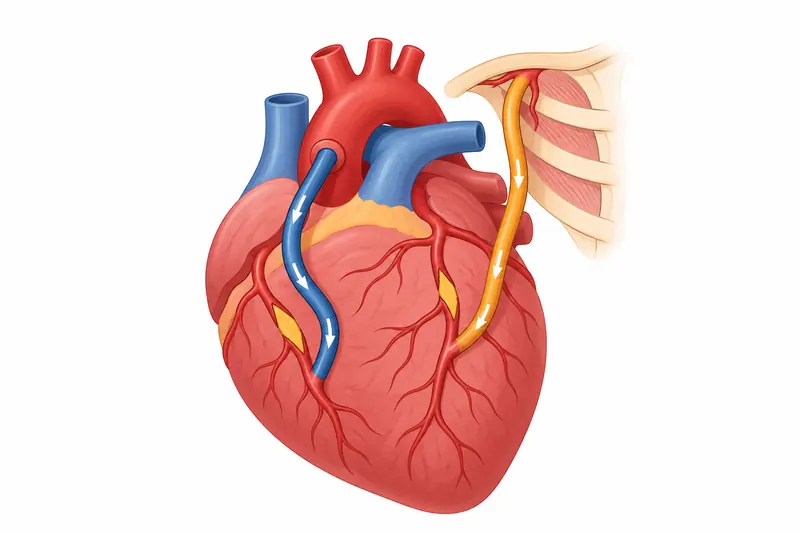
CABG stands for coronary artery bypass grafting, which most people call heart bypass surgery. The surgeon takes a healthy blood vessel from your chest, arm or leg and joins it around a blocked heart artery. Blood can then reach the heart muscle again.
Think of the coronary arteries as small roads on the surface of the heart, carrying its blood supply. Over the years fat and calcium narrow them, and that can cause chest pain, breathlessness or a heart attack. A bypass builds a new road around the blockage. One operation can include one, two, three or more of these new roads; doctors call them grafts.
Bypass is usually advised when several heart arteries are badly narrowed, when the main artery on the left side of the heart is narrowed, or when stents are a poor fit, for example in some people with diabetes and many blockages. Your own heart doctor makes this call from the angiogram.
How much does heart bypass surgery cost in India?
A standard bypass operation usually costs US$ 4,500–8,500 in the JCI and NABH accredited hospitals we partner with in Delhi NCR. This is the hospital price. Normally it covers the operation, the surgery and anaesthesia team, your days in intensive care and on the ward, and your medicines while you are admitted.
It is a range, not a set package. Heart surgery is planned around your own arteries and your own health, so a heart surgeon has to see your angiogram and reports before the hospital can put your price in writing. That estimate costs nothing, and nothing is decided until you have it.
Keep in mind that the hospital price is only part of the budget. Flights, visas, a hotel or guest house after discharge, food and medicines for home are paid on top.
Why do CABG quotes differ?
Two patients, the same diagnosis, two different quotes. These are the usual reasons.
Your arteries and your heart
How many grafts. A single graft takes less time than three or four. More grafts usually mean longer in theatre, and sometimes a longer stay.
How well your heart pumps. A weak heart, or an earlier heart attack, can mean closer watching in intensive care and more medicines.
Your general health and the method
Other conditions. Diabetes, kidney disease or lung trouble can add tests and days. If a heart valve also needs repair, it becomes a bigger, combined operation with its own quote.
How the operation is done. Most bypass operations use a heart-lung machine; some are done while the heart keeps beating. Your surgeon picks what is safest for you, not what costs least.
On-pump or off-pump? On-pump bypass is the most common way worldwide: the heart is stopped for a while and a heart-lung machine pumps the blood. In off-pump (beating-heart) bypass, the heart keeps going and the surgeon steadies one small area at a time; experienced teams use it for some patients. The choice comes from your angiogram and your health, so ask which method your estimate is for, and why.
What does the CABG hospital price cover?
Your written estimate lists what is covered. Most CABG estimates look something like this, but go through yours carefully.
- Heart surgeon, anaesthetist and operating theatre
- Days in cardiac intensive care
- Days on the ward, with nursing and medicines while admitted
- Routine tests and scans during the stay
- Breathing exercises and early walks with a physiotherapist
- +Flights for you and a family member
- +Medical visa fees
- +Hotel or guest house after discharge
- +Medicines to take home
- +Extra days if you need longer care
Sometimes the plan changes after you arrive: an extra graft, or more days in intensive care. A good hospital explains why and gives you the cost before adding it.
What are the risks of heart bypass surgery?
CABG is major surgery. It is also one of the most common heart operations done anywhere, and most people recover well. Before you agree, your surgeon goes through the risks for your own heart.
- CommonTrouble with memory or concentration
Usually gets better on its own within a few months
- CommonIrregular heartbeat
Usually settles in a few days, with medicine if needed
- UncommonBleeding
Watched closely after surgery; some people need a transfusion or a return to theatre
- UncommonWound infection in the chest or leg
Treated with antibiotics
- UncommonKidney problems
Usually better within days; more likely if your kidneys were weak before
- RareHeart attack or stroke
Can happen during or soon after surgery, and is treated at once
Source: NHS (Coronary artery bypass graft: risks)
How long do you stay in India after heart bypass surgery?
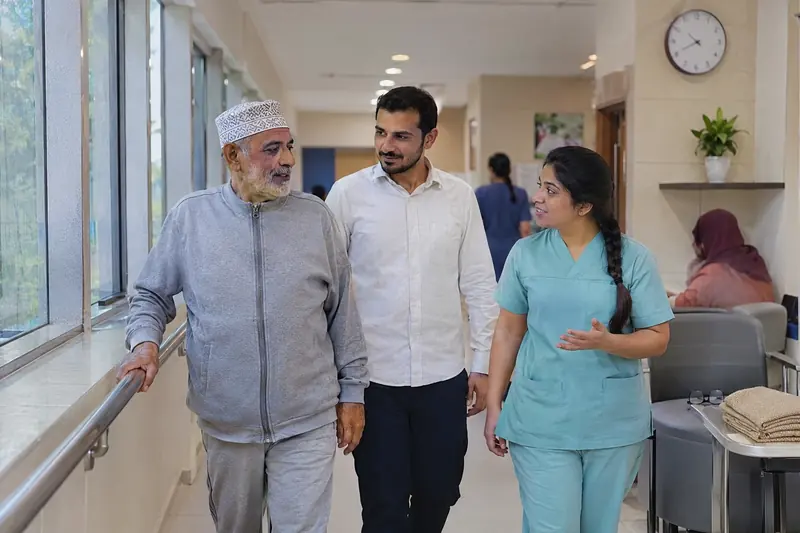
Plan for 14 to 21 days in India. Usually that means one or two days in intensive care, then the ward, and discharge after about 6 to 8 days. For the rest of the time you stay near the hospital for checks, wound care and getting your medicines right.
- Days 1–2
Intensive care; first steps on day 2
- After 6 to 8 days
Discharge from hospital
- After 14 to 21 days
Last check, then the flight home
- Week 6
Most daily activities again
- Months 2–3
Full recovery for most people (NHS and NHLBI guidance)
Before you fly, the heart team checks your wound, your heart rhythm and your scans, and tells you when travel is safe. Someone from the family should fly with you. Ask for wheelchair help at both airports, and keep the discharge summary and your medicines in your hand luggage.
Keep taking your heart medicines: After bypass you usually take blood thinners and other heart medicines every day. Do not stop or change them without your doctor, even when you feel fine. Chest pain, sudden breathlessness or signs of a stroke need urgent help.
Money for the weeks after surgery
The weeks after hospital cost money too. One family member stays with you throughout, so budget for two. Many families pick a guest house or serviced flat close to the hospital, which keeps the trips for wound checks and heart tests short. From November to January Delhi often has smog, so on bad-air days take your walks indoors.
Prices come in US dollars or Indian rupees, and what you finally pay in your own currency depends on the exchange rate that day. Put some money aside for a few extra days, in case the heart team wants to keep an eye on you a little longer before you fly.
Once you are home, cardiac rehabilitation makes a real difference. It is supervised exercise plus advice on food, stopping smoking and handling stress. Ask your local heart doctor if there is a programme near you.
How can I get a CABG estimate before travelling?
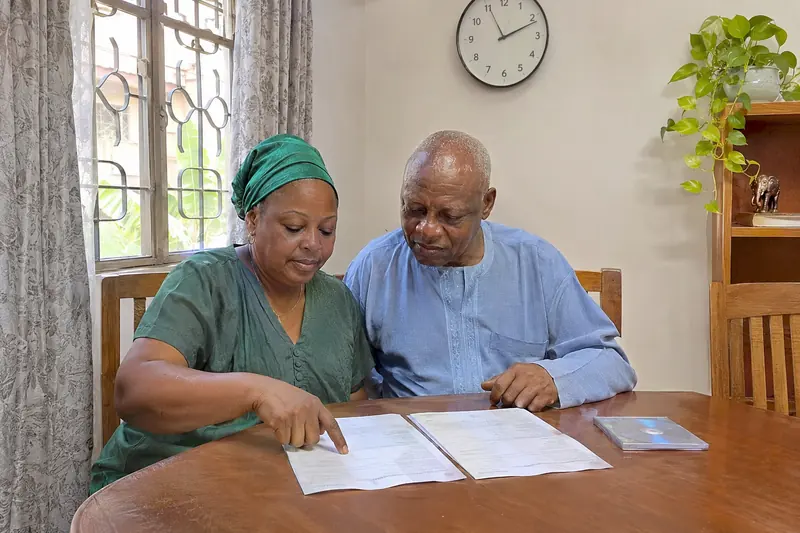
Your reports can travel instead of you. Send them over and a heart surgeon reviews them. These help the most:
The video on a CD or a download link, with the written report
Shows how well your heart pumps
Kidney function, sugar and blood count
Names and doses, including any blood thinners
We can get estimates from more than one accredited hospital so you can compare. After you choose, the hospital sends the letter for your e-Medical visa, which you apply for online at least four days before you travel. Your attendants, two family members at most, apply for e-Medical Attendant visas at the same time.
We coordinate the trip, and the hospitals and doctors give the treatment. We keep in touch while you are in India and after you get home.
Is heart bypass surgery in India right for you?
Some people can have a stent (angioplasty) instead of bypass. That is a medical decision made from your angiogram, never a money decision. Choose an accredited hospital, read your estimate line by line, and get every question answered before you pay anything.
JCI and NABH accredited hospitals are inspected regularly against written rules on safety, hygiene and patient care. That makes accreditation a good starting point, though it does not replace your own questions. Ask how many bypass operations the heart team does, who looks after you in intensive care, and who you can call once you are home.
Had an angiogram recently? Send it to Optimist Healthcare along with your echocardiogram report. A heart surgeon goes through them, and we come back with a written estimate, free of charge.