Guide
For most families, the hard part starts after the flight home. The operation in Delhi NCR is done, you are back in Lagos, Nairobi, Addis Ababa, Accra, Muscat or Dhaka, and the hospital is thousands of kilometres away. That is why post-treatment follow-up after returning home is what people ask us about most.
Follow-up does not stop at the airport. With the right papers, a clear plan and a local doctor who knows your story, most patients recover safely at home and stay in touch with their Delhi team for as long as they need. Here is how it works in practice.
Before you leave India: your follow-up starts here
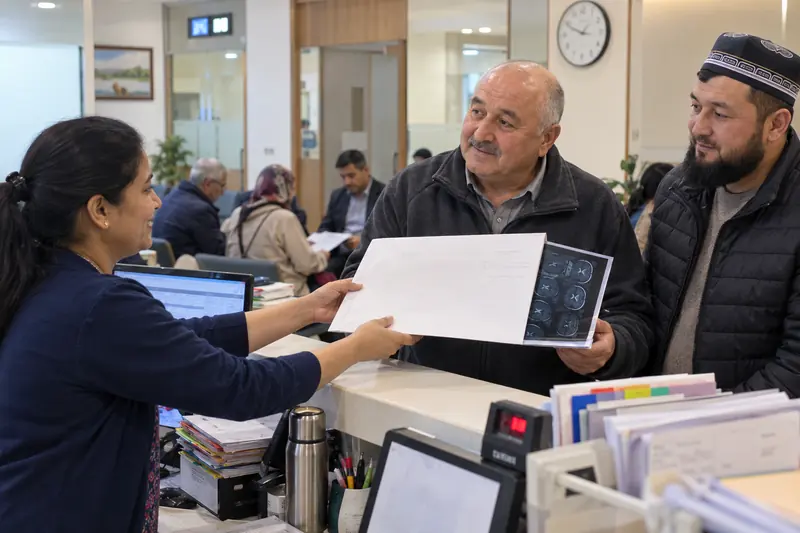
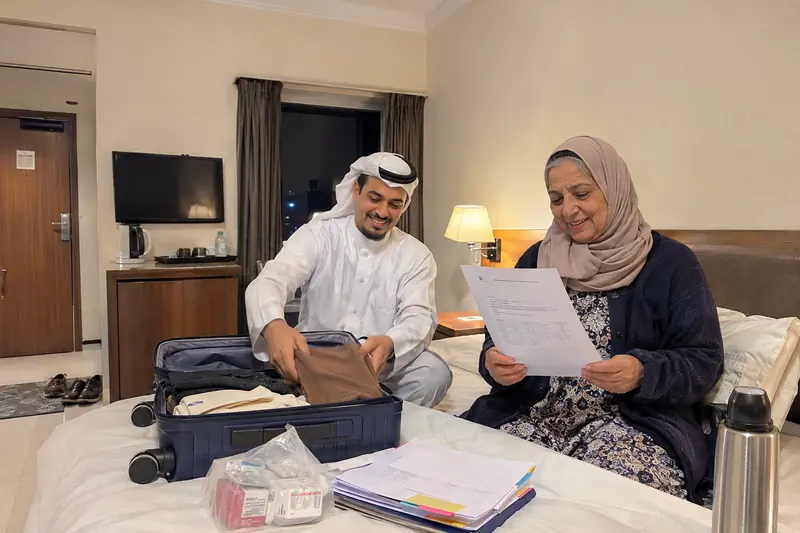
Good follow-up is planned before you fly. Patients treated abroad should take home a full copy of their medical records in English, and hand it to every doctor who sees them later: that is the advice of the CDC, the US Centers for Disease Control and Prevention. Without these papers, a doctor at home is left guessing what was done.
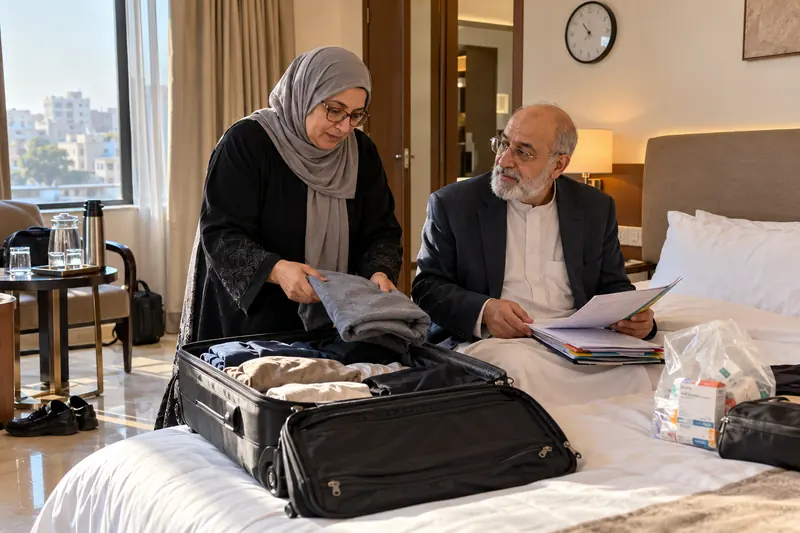
In your last days in India, the hospital puts together a discharge package. Go through it before you leave, and ask our coordinator to keep a digital copy as well.
Your diagnosis, the operation done, what was found and how you recovered in hospital
Every medicine with its dose, how long to take it and when to stop
X-rays, scans and blood tests, ideally as files on your phone as well as on paper
The dates of your reviews and who to contact with a question
The make and model of any implant, stent or device placed during the operation
Before you go, put three questions to your surgical team. Which problems are normal while healing? Which ones need a phone call? Which ones mean going to hospital straight away? Write the answers down in your own words.
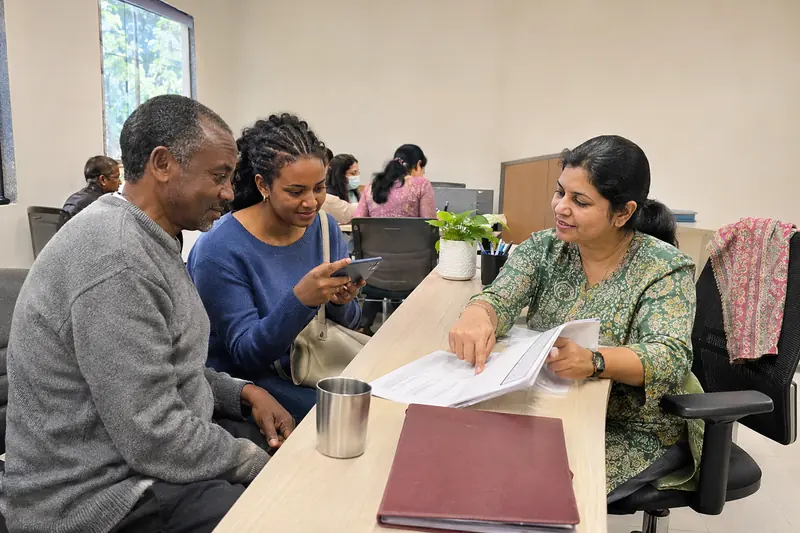
How post-treatment follow-up works once you are home
From home, your Delhi team follows you mostly by video call and through shared reports. Routine checks don't mean flying back. The hospital decides how many reviews you need and when, depending on your treatment. Usually it goes something like this:
- Before you fly
Final review in Delhi, discharge package and the date of your first follow-up call
- First days home
Rest, take your medicines as planned and see your local doctor with your papers
- First weeks
A video call with the Delhi team about your wound, pain, medicines and movement
- Later reviews
Blood tests or scans done near home are shared with the Delhi team for their view
- Long term
Your local doctor carries on routine care; the Delhi team stays available for questions about the operation
A few days before each video call, our coordinator collects your new test results and sends them to the hospital, so the doctor has read them in advance. Afterwards we send any change to your medicines or exercises in writing, so nothing gets lost in a busy conversation.
- 1Book the call
We fix a time that suits you and the doctor
- 2Share new reports
Send photos or files of tests done at home a few days before
- 3Talk to the doctor
Say how you feel; show the wound on camera if asked
- 4Get the changes in writing
Any new advice on medicines or exercises comes to you and your local doctor
Your local doctor and your Delhi team: who does what
At home, two sets of people look after you. Your local doctor sees you in person, checks the wound and blood pressure, orders tests and deals with any illness not linked to the operation. The Delhi team knows exactly what was done, and advises on anything to do with the operation itself.
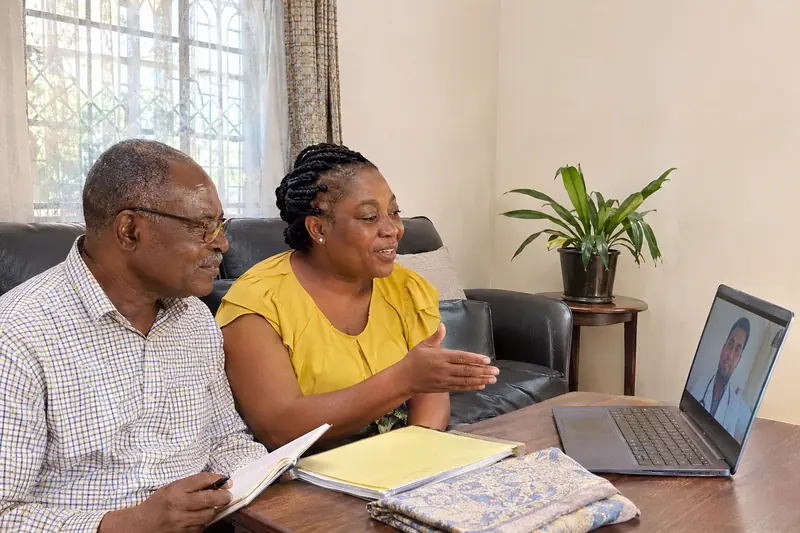
Speak to your home doctor before you even travel, the CDC suggests, so they can plan to see you when you are back. If you can, book them for the first week after your return, and take the full discharge package along.
In person, near home
By video call or through shared reports
Wound checks, blood tests, everyday health problems
Questions about the operation, implant or device
Sees you quickly and examines you
Reviews your reports and advises your local doctor
Your discharge summary and medicine list
Your new test results from home
Cost is worth a thought too. According to the CDC, treating a problem that appears after treatment abroad can be expensive, and health insurance does not always cover it. Before you travel, find out what your insurance at home will pay for, and ask the hospital in India which follow-up reviews are already in your estimate. Then a check-up at home never turns into a surprise bill.
Coordinator's tip: Keep one folder on your phone for everything from India: discharge summary, scans, medicine list and follow-up dates. Share it with the family member who came with you, so someone else can find it fast if you are unwell.
Warning signs: when to get help at once
Most people recover at home with no trouble at all. A few signs, though, mean you need medical help straight away, close to where you are. Don't wait for a video call or a reply to your message. Go to the nearest emergency department or call your local emergency number, and tell the staff about your recent operation in India.
Get emergency help at once if you have: Chest pain, sudden breathlessness or coughing up blood; one leg that becomes painful, swollen, warm or red; a high fever, shivering or feeling suddenly very unwell or confused; a wound that is opening, very red, hot or leaking pus; bleeding that will not stop. Once you are safe, let us know, so the Delhi doctors can help the doctors treating you.
Of everything that can go wrong after surgery and a long flight, blood clots and infections need the closest watch. The NHS explains that pain and swelling in one leg can be a blood clot, and that chest pain or breathlessness with it can mean the clot has moved to the lungs, which needs emergency care. Infections, the CDC says, are the most common complication after treatment abroad.
What to keep doing in the months after treatment
Getting better at home is slow, daily work. Take every medicine exactly as your list says, and never stop one early without asking a doctor. Keep doing the exercises your physiotherapist showed you; after joint and spine operations they matter as much as the surgery.
Your first weeks at home:
- Booked an appointment with your local doctor and taken your discharge package
- Taking your medicines exactly as listed
- Doing your exercises every day
- Checking your wound daily and keeping it clean and dry
- Walking a little more each day, unless told otherwise
- Writing down questions for your next video call
- Keeping your follow-up dates in your phone calendar
The basics help too: eat well, drink enough water, sleep, and stay off smoking and alcohol while you heal. Tell any doctor, dentist or pharmacist you see that you had an operation in India, and show them your medicine list before they add anything new.
How follow-up differs by treatment
Each treatment comes with its own follow-up plan from the hospital that treated you. These are the usual patterns; your discharge papers have the details for your case.
Joint and spine operations
Physiotherapy is the big one after a knee, hip or spine operation. Ask your local doctor to refer you to a physiotherapist near home, and carry the hospital's exercise plan with you. At the agreed time, your Delhi team usually looks at an X-ray taken at home.
Heart operations
After heart surgery you will be on several medicines that need regular checks, and many patients do well in a cardiac rehabilitation programme near home. Your local doctor or cardiologist checks blood pressure, heart rhythm and blood tests, and shares the results with the Delhi team when asked.
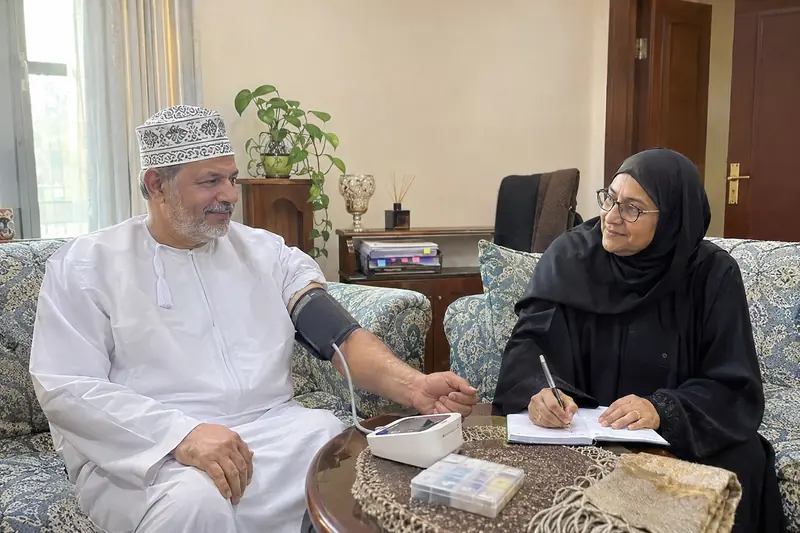
Cancer treatment and transplants
These need the closest follow-up. After cancer surgery, more treatment such as chemotherapy or radiotherapy may happen at home, planned together with the Delhi team. After a transplant, medicines to protect the new organ are for life, with frequent blood tests, especially in the first months.
Eye surgery and IVF
Cataract surgery usually needs only eye drops and a check with a local eye doctor. With IVF, the pregnancy test and early scans are normally done near home, and the results go to the clinic in Delhi.
Whatever the treatment, we remain your link to the hospital. Message us questions and reports any time, and we get them to the right doctor in Delhi.
Still planning your treatment? Ask Optimist Healthcare how follow-up will work for your case before you fly, so you know who to call for what.